Skip to content
Large machinery relocation requires detailed planning and precise execution. Crane transport sits at the demanding end of heavy haul logistics, where the wrong trailer, missed permit, or overlooked axle weight can cost a project days and thousands of dollars.
Moving these machines involves navigating rigid regulations and intricate physical constraints. The biggest factor shaping how a crane moves is the crane itself.
This guide walks through the crane types, how each is transported, and what equipment is involved. Construction teams, project coordinators, and logistics managers researching crane logistics will know what to expect before the first wheel turns.
How Do Professionals Transport Crane Groups?
The transport method depends on the crane type, and understanding those distinctions is essential before any move is planned. Examining the core categories reveals distinct logistical requirements for each machine.
1. Mobile and Tower Cranes
Mobile cranes are rubber-tired, road-capable units used across construction sites. For short distances, they can self-drive to the job location.
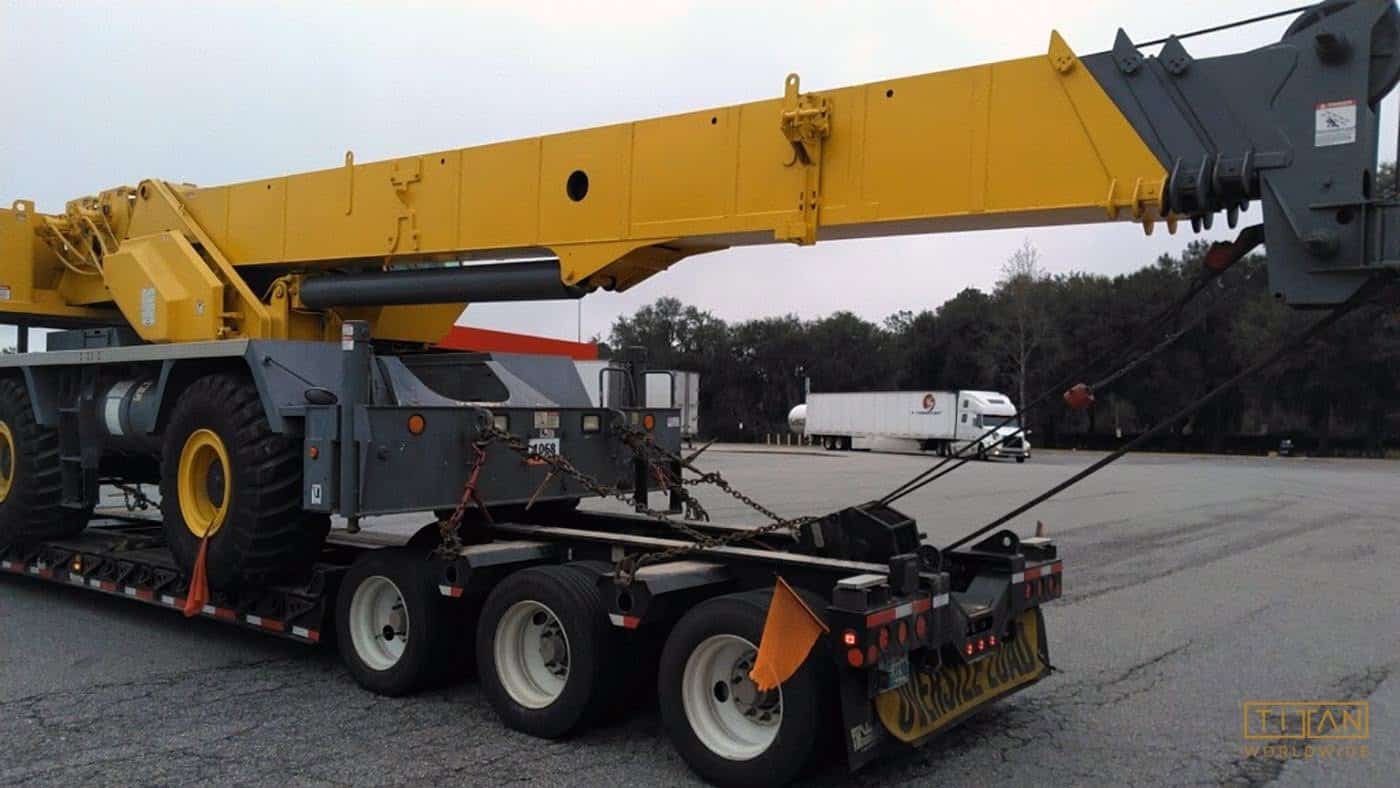
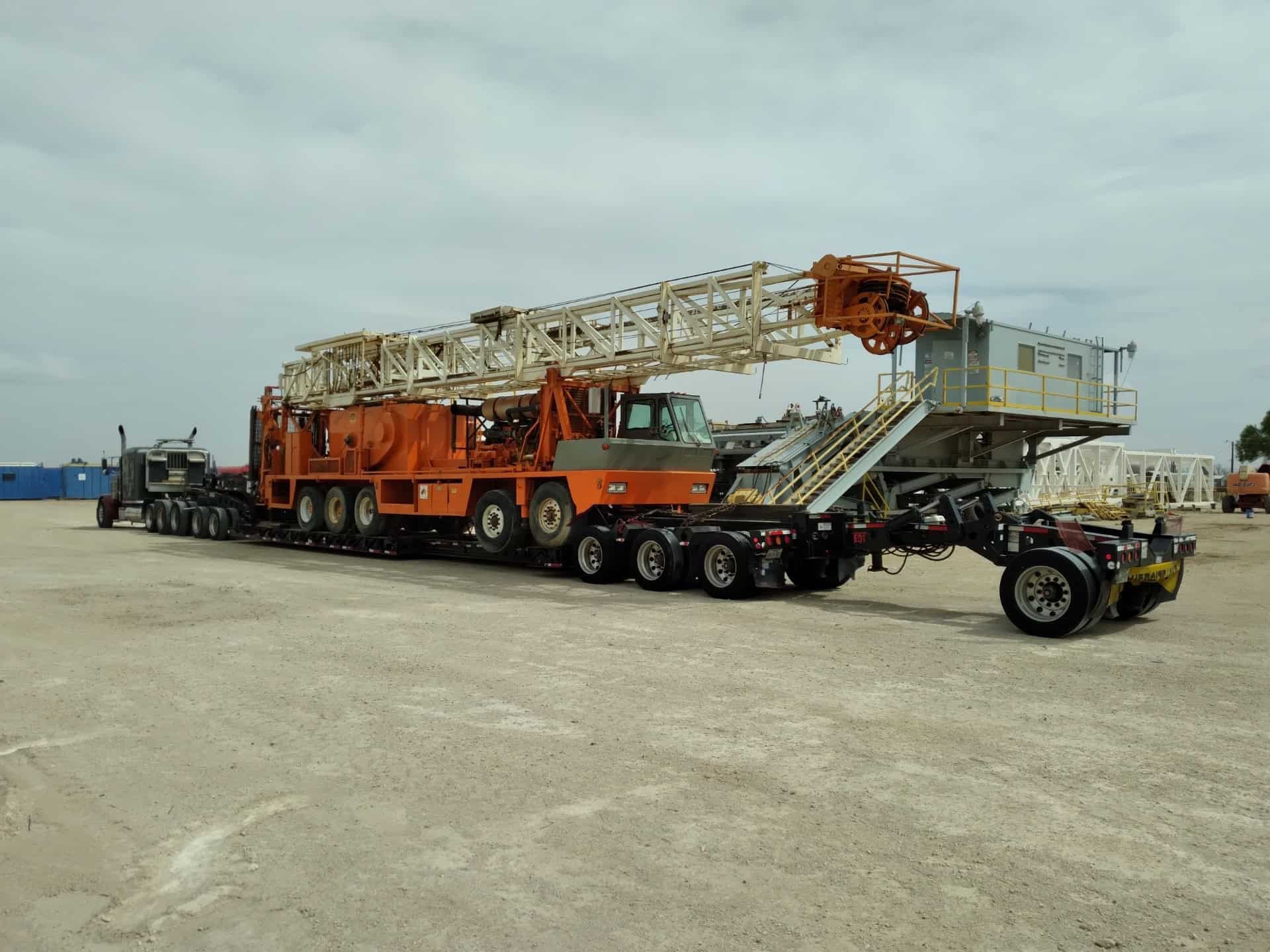
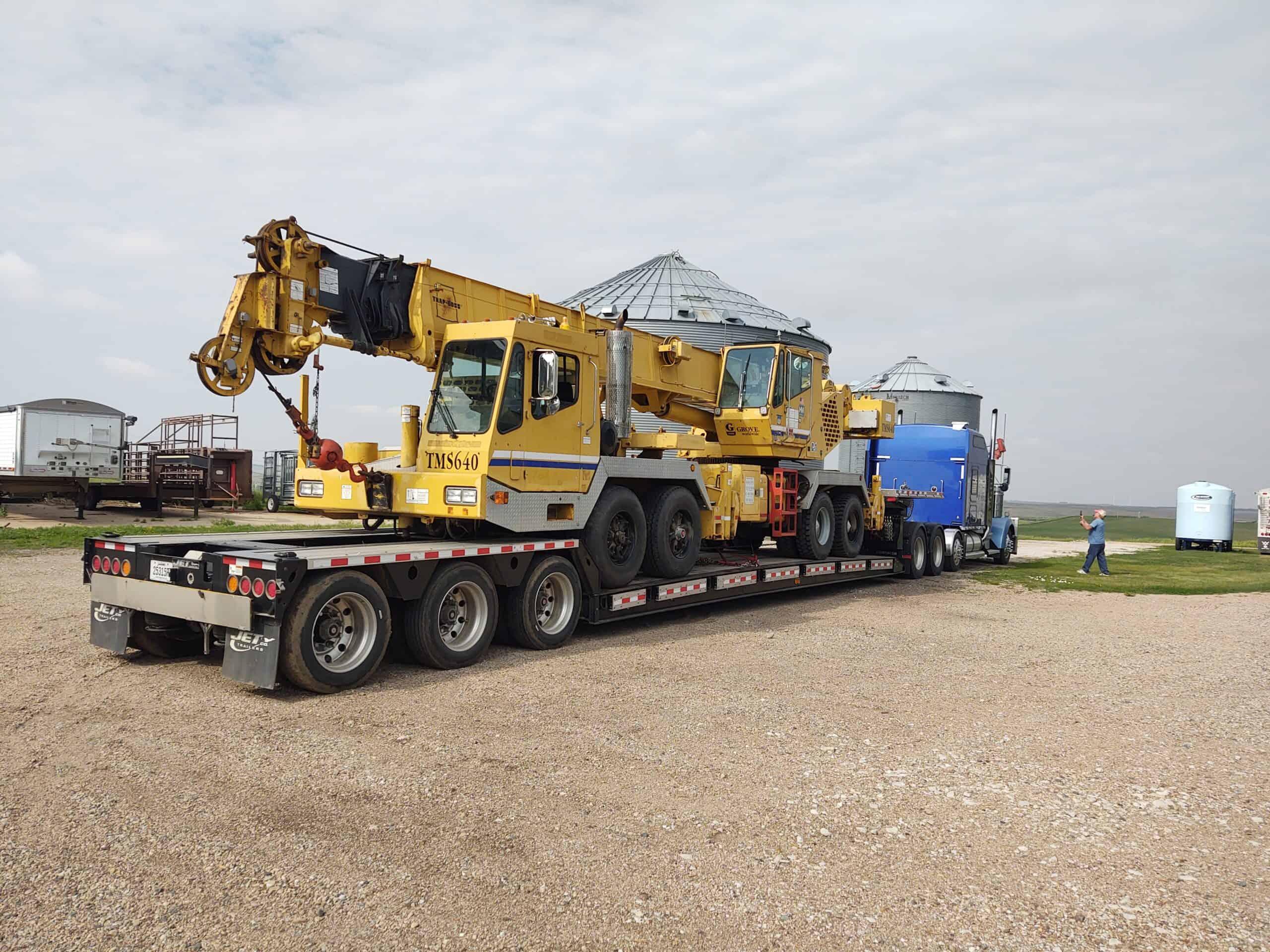
For longer hauls or when transporting the crane as a complete assembled unit, operators drive them onto a lowboy, RGN (removable gooseneck) trailer, or specialized multi-axle trailer. The lower deck height of these trailers is critical as it reduces the overall transport height and prevents clearance issues under bridges and overpasses.
RGN configurations also allow the crane to be loaded from the front, which is essential for equipment that can’t be lifted by conventional means.
Booms are typically retracted or removed depending on the crane’s size and the route requirements.
Axle weight limits apply even when the crane drives under its own power. Depending on the route and state regulations, oversize permits are needed for mobile crane transport.
Tower cranes are fixed-to-site structures used in high-rise building projects, recognized for their height and lifting capacity. Moving these towering structures demands careful coordination across multiple transportation phases.
For tower crane transport, technicians disassemble the unit into mast sections, jib pieces, and counterweights. These individual components are distributed across multiple trailers based on their weight and dimensions.
Heavier structural sections often require lowboy or RGN trailers, while lighter jib sections and counterweights may move on flatbeds or step decks if they fall within legal weight and dimension limits.
Each move requires an erection crew waiting on-site and compliant route planning. Logistics managers must secure oversize load approvals for every single truck involved in the relocation.
2. Crawler and Telescopic Cranes
Crawler cranes ride on steel tracks instead of tires and are built for lifts in punishing environments. Moving one requires extensive disassembly, with the boom, counterweights, carbody, and tracks separated.
The main crane body, including the carrier, house, or carbody, is among the heaviest components and typically requires a specialized multi-axle trailer designed for extreme loads.
Crawler tracks may be transported on step deck trailers if they remain under 46,000 pounds, but heavier track assemblies also require lowboy or RGN setups. Boom sections, counterweights, mats, and accessory parts are often lighter and may move on flatbeds, step decks, or dedicated support trailers depending on their individual specs.
Moving crawler cranes rank among the complex jobs in heavy haul logistics. Some models require pilot car escorts as standard procedure.
Understanding lift capacity context helps explain why these machines require such robust transport solutions.
Telescopic boom cranes are truck-mounted units with extendable booms, valued on job sites that need reach flexibility without a lengthy setup. The boom is retracted and secured tightly before transport.
When moved as a complete unit, the crane is driven onto a lowboy or RGN trailer to keep the overall height manageable and accommodate the weight distribution. The crane can either self-drive on approved routes or ride on a customized lowboy trailer. Even retracted, boom length affects total height and vehicle overhang.
Oversized/Overweight permits are typically required where necessary. Thorough route assessments prevent unexpected delays when moving these versatile machines.
| Key Insight: Crawler cranes require the most complex transport logistics of any crane type, demanding coordination of multi-axle trailers and specialist crews for complete disassembly and reassembly. |
3. Self-Erecting and Specialty Cranes
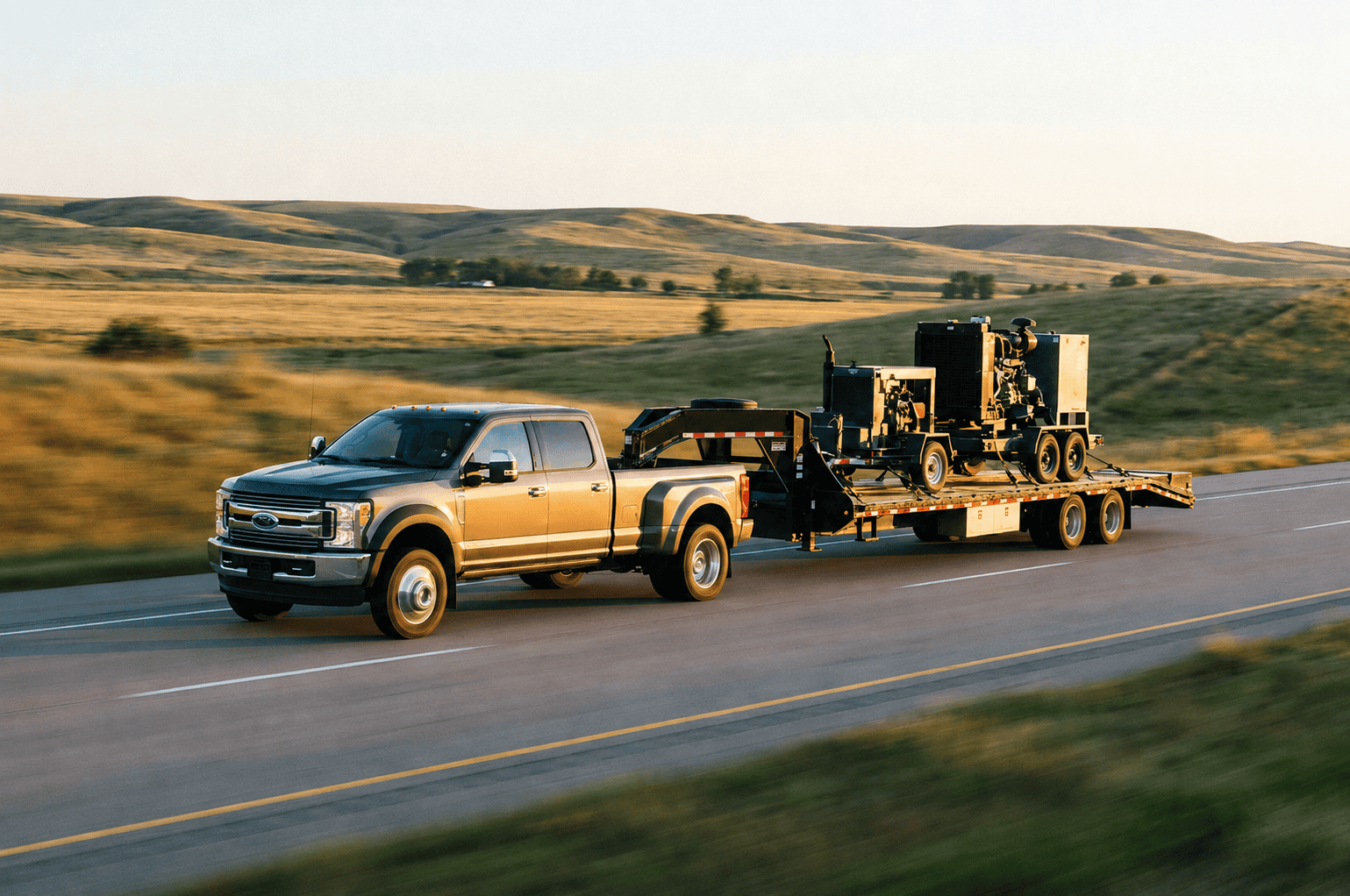
Self-erecting cranes are compact, automated units designed for construction sites where space and setup time are limited. They fold into a transport configuration and ride on a step deck trailer, depending on the folded dimensions and weight.
Compared to larger cranes, the move is straightforward, and lighter weight reduces permit complexity. Dimensions still warrant a route review before departure to confirm clearances and weight limits along the way.
Specialty cranes are purpose-built for specific environments, including waterways, industrial facilities, and confined indoor spaces. Examples include floating cranes, overhead or bridge cranes, and pick-and-carry variants.
Transport methods vary based on the unique equipment design; floating cranes travel by water. Overhead cranes are dismantled and shipped on flatbeds or moved via air freight (if needing expedited service) or ocean freight (if time isn’t of the essence and lower budget).
Specialty cranes call for tailored logistics planning. Multi-modal coordination is common when moving these niche lifting tools across long distances.
What Factors Influence Crucial Crane Transport Methods?
Even with the correct trailer selected, several additional elements shape how a crane move comes together.
- Crane-specific variables come first; the weight and dimensions in transport configuration dictate the initial strategy and equipment necessary.
- Teams must determine whether disassembly is required and how many loads will result. Manufacturer specifications dictate the rules for securing each component during transit.
- Logistics and route planning add the next vital layer to the process. Oversized and overweight loads need detailed route surveys to avoid infrastructural hazards.
- Pilot car rules shift by state and load size.
The federal transportation authorities publish guidance on oversize permits worth reviewing. Regulatory and legal factors include national axle weight limits.
An RGN or 13-axle setup helps distribute load weight across more axles. State permits and cross-border paperwork are required for moves into Canada or Mexico.
Local transportation departments enforce rigorous oversize load regulations. Environmental and site conditions round out the planning phase.
Wind limits apply to boom sections in transit, while ground stability affects loading at pickup and delivery. Urban routes bring traffic patterns, overnight curfews, and infrastructure constraints into play.
Each trailer category serves specific weight ranges and crane configurations. The choice of trailer is dictated by whether the crane is being moved as a complete unit or broken down into individual components:
| Trailer Type | Weight Capacity | Best Suited For |
| Flatbed | Up to 48,000 lbs | Boom sections, counterweights, jib pieces, accessory crane parts |
| Step Deck | Up to 46,000 lbs | Boom sections, taller accessory components |
| Lowboy/RGN | Up to 44,000 lbs | Complete mobile cranes, crawler crane bodies, heavy carrier assemblies |
| Specialized Multi-Axle | 40,000 lbs legal / 100,000 – 200,000+ with permits | Heavy carrier assemblies, main structural sections, superloads |
| Pro Tip: Always conduct a physical route survey before finalizing your crane transport plan. Google Maps won’t show you weight-posted bridges or low-clearance power lines that can derail your entire schedule. |
How to Successfully Manage Crane Transport
Regardless of crane type, the transport process follows a logical sequence that keeps the move safe, legal, and on schedule. Adherence to these steps prevents project delays.
- Pre-transportation preparation. Inspect and document the crane condition before the move.
- Disassemble components per the manufacturer’s guidelines and catalog every part
- Determine whether the crane will move as a complete unit or be broken down, and assign the appropriate trailer type to each component.
- Secure oversize, overweight, state, route survey, and cross-border permits as needed
- Coordinate pilot cars and notify transport authorities in advance
- Loading and securing. Match the trailer to the crane weight, height, and configuration.
- Choose a lowboy or RGN for complete cranes or heavy crane bodies, and step decks or flatbeds for lighter disassembled components.
- Position components for legal axle weight distribution
- Apply tie-downs and blocking; verify axle weights before rolling
- In-transit monitoring and delivery.
- Run escort vehicles ahead and behind as required
- Track cargo position and communicate route changes in real time
- Confirm site readiness, then unload and stage for reassembly
Final Thoughts on Crane Transport
Crane transport is not a one-size-fits-all operation. The right method depends on crane category, total weight, route complexity, and the regulations that govern every mile of the trip.
Understanding the difference between moving a complete crane and individual components is essential.
Complete cranes, especially mobile and crawler units, are not flatbed freight. They require lowboy, RGN, double drop, or specialized multi-axle trailers designed to handle the weight, height, and loading requirements.
When a crane is disassembled, the transport strategy shifts. Boom sections, counterweights, and smaller parts may travel on flatbeds or step decks, while heavier components like the crane body, tracks, or carrier still require lowboy, RGN, or specialized heavy-haul equipment.
A logistics partner who understands heavy haul permitting, trailer setups, and compliance rules is the difference between a smooth move and a costly delay. The best partners act as an extension of the construction team, not an outside vendor.
If your next project involves moving cranes, connecting with a logistics broker experienced in oversize freight and permitting ensures the move is handled from day one. Planning eliminates last-minute hurdles.

Ashley Hawkins is the Vice President of Business Development at Titan Worldwide and a recognized expert in heavy haul, over-dimensional, and specialized freight transportation. With over a decade of hands-on experience managing complex logistics projects across construction, energy, infrastructure, and government sectors, Ashley brings real-world knowledge to every shipment.
She works directly with carriers, project managers, and field teams to plan safe routing, secure permitting, and ensure regulatory compliance for oversize and overweight loads nationwide. Ashley’s insights are grounded in on-site experience, industry best practices, and a commitment to delivering reliable, transparent, client-focused transportation solutions.