Skip to content
Choosing the wrong freight method can cost you far more than the difference in shipping rates. A delayed delivery can shut down production lines, leave crews idle on job sites, and trigger costly project penalties that dwarf any upfront savings.
Many shippers assume less-than-truckload (LTL) shipping is always the most economical choice for smaller loads. However, when time-sensitive cargo sits in terminal networks for days, or when handling damages requires claims and replacements, those “savings” quickly evaporate.
Understanding when to go for dedicated hotshot trucking or consolidated LTL shipping protects your operations and ensures freight arrives exactly when your business needs it. In this guide, we explore the difference between hotshot trucking and LTL to help you make the right choice.
What Is Hotshot Trucking?
A dedicated hotshot trucking setup relies on Class 3 to 5 pickup trucks or medium-duty commercial vehicles. Hotshot drivers pull flatbed trailers, step decks, or goosenecks to run dedicated freight for single shippers.
The hotshot trucking method provides unparalleled agility and is ideal for time-sensitive shipments in tight timeframes on short notice.
- Dedicated hotshot loads mean one shipper and one destination with zero consolidation stops for your hotshot freight.
- On-demand timelines provide same-day or immediate pickup windows for hotshot service.
- Targeted hotshot trucking routing is ideal for regional to mid-range hotshot hauls under 1,000 miles.
- Specialized hotshot focus ensures pickup trucks and smaller trucks are purpose-built to handle urgent shipments or time-sensitive freight via hotshot trucking.
Hotshot trucking is primarily utilized to move essential oilfield components and critical construction materials. Hotshot trucking also excels at moving agricultural machinery parts and specialized industrial equipment directly to the job site via hotshot transport.
The term hotshot originally came from the oilfields, where hotshot drivers were hired to rush vital parts to broken-down rigs using hotshot service. Today, hotshot is essential for robust supply chains.
What Is Less-Than-Truckload Shipping?
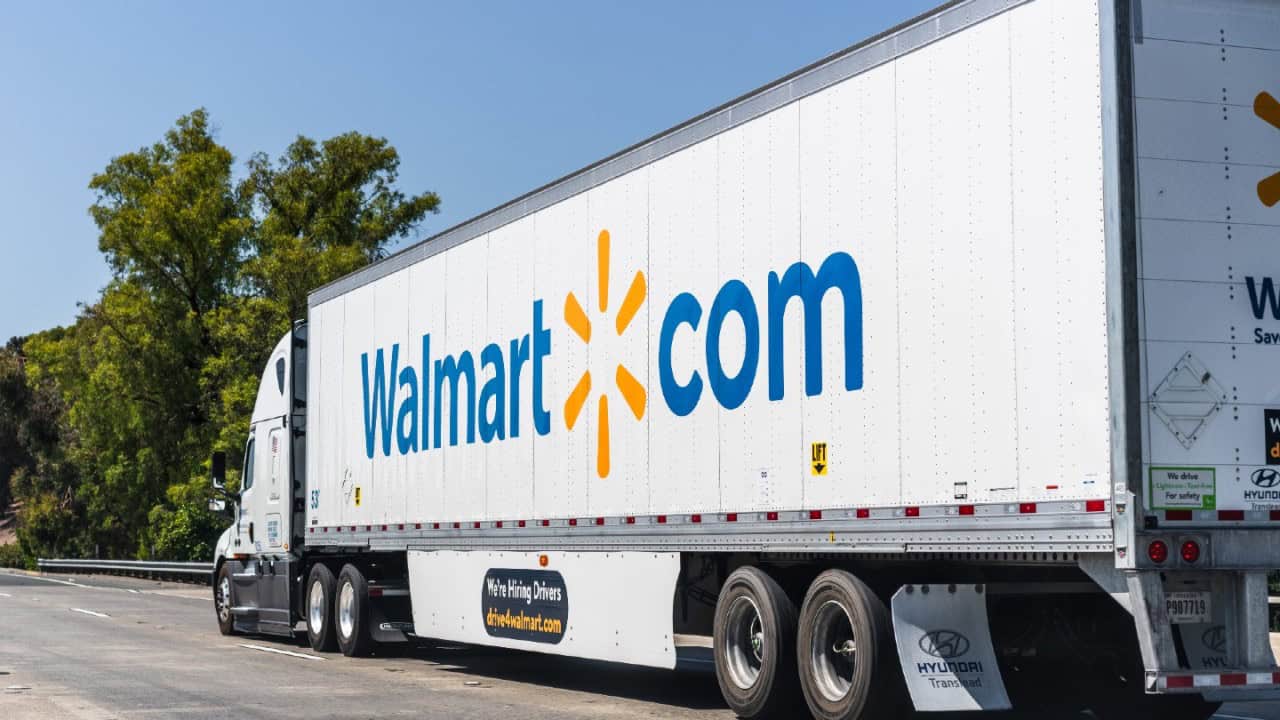
Less-than-truckload shipping operates on a different model designed for cost savings compared to hotshot trucking. Less-than-truckload services involve consolidating other freight from multiple shippers onto a single Class 8 semi-truck rather than a full truckload.
The LTL freight moves through a complex hub-and-spoke terminal network utilizing LTL carriers before reaching its final destination, unlike a direct hotshot delivery.
- Shared trailer space means multiple shippers split the cost of a single route for smaller loads, saving more than a hotshot.
- Standardized cargo is primarily palletized or boxed freight housed inside enclosed dry van trailers operated by LTL carriers rather than hot shot flatbeds.
- Class-based pricing bills according to freight class, weight, dimensions, and total distance.
- Network routing requires smaller loads to undergo multiple terminal transfers before delivery, unlike hotshot trucking.
- Standardized transit times typically range from two to seven or more business days for truckload LTL.
LTL shipping is a highly cost-effective solution for operations moving smaller loads that do not require a full truckload or immediate hot shot service. However, the shared nature means handling frequency increases with every stop along the line.
How Load Capacity Impacts Your Freight: Lower Operating Costs & Hotshot
When looking at load size capacity, expedited hotshot trucking payloads typically handle up to 16,500 pounds on flatbed trailers ranging from 20 to 40 feet. For comparison, LTL shipments can range from 50 to 48,000 pounds in weight, depending on the LTL carriers and configuration.
Understanding how much weight your shipment involves is crucial. LTL freight usually falls between 150 and 15,000 pounds, but is billed by complex freight classes rather than weight alone. Hotshot capacity is distinct.
- Hotshot carriers are ideal when cargo is heavy-but-compact, time-sensitive, or oversized.
- They also win when the load size simply does not justify renting a massive 48-foot trailer for a full truckload.
- LTL shipping wins when cargo is light, palletized, and scheduling is highly flexible for cost savings over hotshot.
Hotshot Trucking vs. LTL: Which Method Actually Saves You Money
A true freight cost comparison goes beyond the initial invoice and considers the total cost of operational value and business growth potential. Beyond upfront pricing, cost considerations should include factors like speed, reliability, and potential delays.
Dedicated hotshot expedited service methods carry a higher per-mile rate than standard consolidated shipping. However, you pay for exactly what you need without wasting capacity on a half-empty trailer intended for a full truckload.
- Direct routes eliminate the accessorial fees that constantly compound in multi-stop billing, keeping hotshot competitive.
- Rapid hotshot speed ensures costly project downtime is avoided entirely.
- Shared hub networks are highly cost-effective for predictable shipments on established lanes compared to hotshot trucking.
- Terminal transfers, delays, and damage claims from high-handling frequency can quickly erode upfront cost savings of LTL shipping.
A two-day delay on a construction project does not just cost the freight rate difference. It can cost the entire day’s labor, leave heavy equipment sitting idle, and trigger severe project penalties, severely hindering business growth.
Beyond the initial quote, these three cost factors determine your true total expense:
| Cost Factor | Hotshot Trucking | Less-Than-Truckload |
| Per-Mile Rate | Higher (premium) | Lower (shared cost) |
| Accessorial Fees | Minimal (direct route) | Multiple (terminal transfers) |
| Downtime Risk | Low (fast delivery) | Higher (potential delays) |
| Warning/Important: Never evaluate freight costs strictly by the initial line-item rate. Hidden accessorial fees and multi-terminal damage risks during LTL transit can quickly erase the upfront savings of LTL shipping. |
Pros and Cons
Understanding the immediate pros and cons of dedicated transport setups helps streamline your supply chain strategy and achieve lower operating expenses. Here is a breakdown of what to expect when choosing between hotshot trucking and LTL shipping formats :
Hotshot Trucking
Pros
- Fast, flexible, and dedicated hotshot service for hotshot runs
- Handles oversized loads and specialized cargo with hotshot trucking
- Direct routes ensure fewer handling touchpoints for hotshot
- Accessible to remote job site locations for hotshot
Cons
- Higher per-load cost for light or non-urgent freight compared to LTL
- Limited capacity for high-volume shipments requiring a full truckload
- Weather exposure occurs on flatbed trailers used by hotshot drivers
Less-Than-Truckload
For standard consolidated LTL shipping, the dynamic changes considerably. Here is what to expect when sharing trailer space with other freight from various shippers to achieve cost savings over hotshot.
Pros
- Cost-effective solution for smaller loads
- Broad carrier network and geographic reach
- Reliable for predictable, recurring shipments not needing hotshot
- Established freight class pricing structure
Cons
- Slower transit times with multi-terminal routing and terminal transfers
- Less flexibility once freight enters the LTL network
- Higher damage risk from repeated handling stops
Neither method is universally better than the other across all supply chains. The right choice depends entirely on what your freight needs to do, how fast it must move for just-in-time delivery, and when it absolutely needs to arrive via hotshot or LTL shipping.
How to Choose the Right Freight Method

Before booking your next shipment on the load boards, use this sequential decision framework to protect your operations and guarantee just-in-time delivery.
- Assess your urgency and identify if the shipment has a hard deadline within 24 to 48 hours requiring hotshot service.
- Evaluate cargo types to see if it requires side or top open-deck access on smaller vehicles rather than a traditional enclosed setup.
- Determine weight and volume to confirm if the load size is under 15,000 pounds and properly palletized as smaller loads.
Pro Tip: Always calculate the true cost of delay before booking your freight. If a late arrival will shut down a production line or trigger project penalties, expedited hotshot trucking service is your safest investment for business growth. |
Why Choose Titan Worldwide For Hotshot or LTL Services
Knowing the difference between these shipping modes is incredibly useful for supply chains and general procurement in the transportation industry. However, having a partner who successfully lives in both worlds daily is what actually protects your project timelines.
Titan Worldwide provides your operation with dual capability and exceptional trucking logistics to keep your business moving forward smoothly, whether you need hotshot delivery or standard LTL shipping.
We offer reliable access to dedicated expedited service and cost-effective consolidated solutions through a seamlessly integrated network of reliable hotshot drivers. From oil and gas components to construction materials, agricultural machinery, and emergency response equipment on short notice, we handle critical loads that demand expertise.
Simplify Your Hotshot vs. LTL Decision
Smaller vehicles and lighter hotshot setups are not a lesser option in the overall logistics chain. They are a purpose-built tool designed to solve the freight problems that matter most to time-critical industries with strong demand for hot shot trucking.
The final decision comes down to your urgency, load size, access requirements, and the real cost of operational delay versus cost savings.
The ideal logistics partner helps you verify these critical variables before your cargo is even scheduled for heavy equipment transport or basic terminal transfers.
When navigating various transit options like LTL, hot shot, or standard freight, ensuring you have the right localized strategy makes all the difference for your long-term success and business growth.

Ashley Hawkins is the Vice President of Business Development at Titan Worldwide and a recognized expert in heavy haul, over-dimensional, and specialized freight transportation. With over a decade of hands-on experience managing complex logistics projects across construction, energy, infrastructure, and government sectors, Ashley brings real-world knowledge to every shipment.
She works directly with carriers, project managers, and field teams to plan safe routing, secure permitting, and ensure regulatory compliance for oversize and overweight loads nationwide. Ashley’s insights are grounded in on-site experience, industry best practices, and a commitment to delivering reliable, transparent, client-focused transportation solutions.